
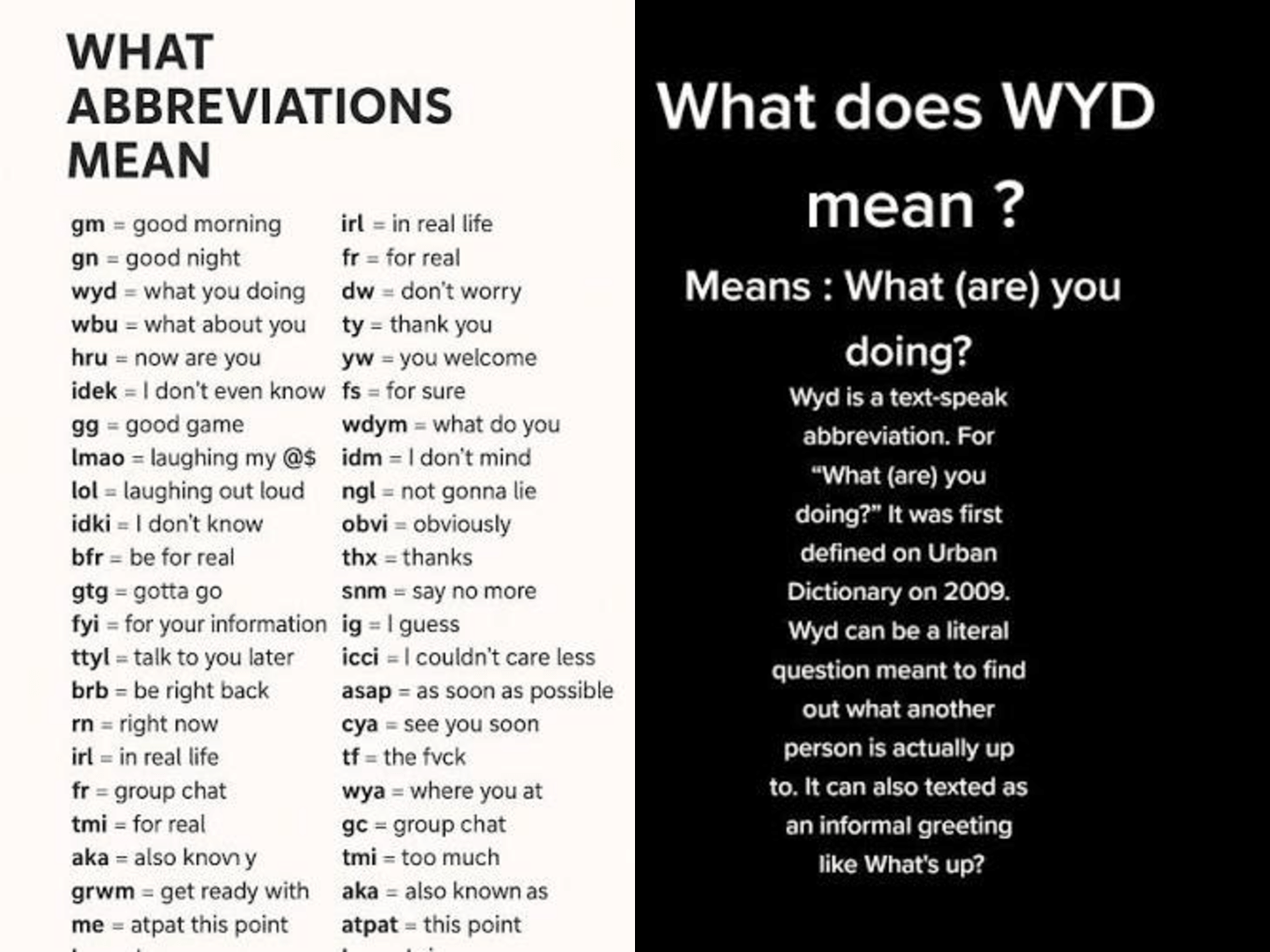
The phrase “what do they mean in texting” refers to understanding the abbreviations, slang, emojis, symbols, and shortened expressions people use in digital conversations. These expressions help people communicate quickly, but their meanings can change depending on the message, relationship, and context.
Texting has developed its own informal language that appears across messaging applications, social media platforms, and online communities. Expressions such as LOL, BRB, IDK, and TBH are familiar to many users, while newer slang continues to appear as communication habits evolve.
Understanding these expressions makes everyday conversations easier to follow. It also helps readers avoid misunderstandings when interpreting unfamiliar messages from friends, family members, colleagues, or people they meet online.
What Do They Mean in Texting?
When someone asks what certain expressions mean in texting, they usually want to understand shortened words, internet slang, acronyms, or symbols used in written conversations. These expressions replace longer sentences with shorter forms that communicate familiar ideas quickly.
For example, LOL means laughing out loud, while BRB means be right back. Similarly, IDK represents I don’t know, and BTW stands for by the way. Each abbreviation communicates a complete thought without requiring the sender to type every word.
Texting language is generally informal and conversational. People use it to respond quickly, express reactions, share information, and maintain conversations without writing lengthy sentences. Its popularity is closely connected to mobile messaging and social media.
However, not every abbreviation has one fixed meaning. Some expressions have different interpretations depending on the subject being discussed. Understanding the complete message is therefore important before deciding what a particular word or combination of letters represents.
Understanding Common Texting Abbreviations
Texting abbreviations are shortened expressions created to make digital communication quicker and more convenient. Many have become familiar across different age groups because they appear regularly in personal messages, online discussions, gaming conversations, and social media comments.
LOL is among the most recognizable examples. It stands for laughing out loud and is commonly used to show amusement. Depending on the conversation, someone might use it after a joke, a funny observation, or an unexpectedly amusing situation.
BRB means be right back. People generally send this expression when they need to leave a conversation temporarily but expect to return. It communicates a short interruption without requiring a detailed explanation.
IDK means I don’t know. It is useful when someone cannot answer a question or does not have enough information. BTW means by the way, which introduces an additional thought or subject during an ongoing conversation.
OMG stands for oh my God and communicates surprise, excitement, or disbelief. TBH means to be honest and often introduces a personal opinion or straightforward response. These expressions help users communicate reactions without writing longer sentences.
Other familiar abbreviations include FYI, meaning for your information, and TTYL, meaning talk to you later. NVM means never mind, while IMO stands for in my opinion. Their meanings are generally understood through the surrounding conversation.
Popular Slang Words Used in Text Messages
Texting slang differs slightly from traditional abbreviations because it includes informal words and expressions that reflect online culture. These terms frequently appear in social media captions, comments, private messages, and conversations between people who share similar interests.
One example is FR, which means for real. People use it to express agreement, seriousness, or emphasis. NGL means not gonna lie and commonly introduces an honest opinion, personal reaction, or observation.
RN stands for right now. It helps communicate when something is happening or describe a person’s current situation. For example, someone might write that they are busy RN to explain why they cannot respond immediately.
IYKYK means if you know, you know. It refers to an experience, joke, or reference that only certain people understand. The expression is particularly recognizable in social media posts involving shared experiences or inside jokes.
Another expression is GOAT, meaning greatest of all time. It is commonly used to praise someone considered exceptionally talented in a particular field. Sports discussions frequently use the term when comparing outstanding athletes and their achievements.
Slang can change considerably across online communities. A word popular among gamers may have a different meaning or level of recognition among music fans, entertainment audiences, or professional communities. Checking the context helps prevent incorrect interpretations.Quick Topic Information
| Field | Details |
|---|---|
| Topic | What Do They Mean in Texting? |
| Category | Digital Communication |
| Main Subject | Texting Language |
| Language | English |
| Content Type | Informational Guide |
| Common Abbreviations | LOL, BRB, IDK, BTW |
| Popular Slang | FR, NGL, RN, IYKYK |
| Communication Style | Informal |
| Common Platforms | WhatsApp, Instagram, Snapchat |
| Related Elements | Emojis, Symbols, Acronyms |
| Main Purpose | Understanding Text Messages |
| Target Audience | Texting and Social Media Users |
What Emojis and Symbols Mean in Texting
Emojis are small digital images or characters that communicate emotions, reactions, objects, and ideas. They have become an important part of messaging because they add visual meaning to written conversations and help express feelings that might otherwise be difficult to communicate.
A smiling face can suggest happiness or friendliness, while a laughing face may communicate amusement. A heart can express affection, appreciation, or support. However, the intended meaning depends on the sender and the subject of the conversation.
Some emojis have meanings that differ from their literal appearances. For example, the skull emoji can represent laughter or extreme amusement in certain online conversations. It does not necessarily indicate death or danger.
Punctuation can also influence the tone of a text message. Multiple exclamation marks may communicate excitement, urgency, or strong emphasis. Question marks can indicate curiosity, confusion, or a request for clarification.
Symbols such as the asterisk are also used in digital conversations. People sometimes place an asterisk around a word to correct a spelling mistake or clarify something they previously wrote. These conventions help make informal messages easier to understand.
Emojis and symbols do not have completely universal interpretations. A particular expression might seem friendly to one person but sarcastic or confusing to another. Considering the surrounding words and the relationship between participants helps establish the intended meaning.
Why Do People Use Abbreviations in Text Messages?
People use abbreviations because they make everyday digital communication shorter and more convenient. Instead of typing complete sentences, users can communicate familiar ideas through a few letters that other participants already understand.
Mobile messaging has encouraged this style of communication. People frequently send short responses while managing other activities, making quick expressions useful for maintaining conversations without spending unnecessary time writing longer messages.
Abbreviations also contribute to informal communication. Friends may use LOL, OMG, or TBH to express reactions naturally, while colleagues might use FYI when sharing information in an appropriate workplace conversation.
Social media platforms have further increased the visibility of informal expressions. Comments, captions, direct messages, and online discussions expose users to different abbreviations and slang terms. Familiar expressions can spread between communities through repeated use.
Another reason is shared understanding. When people regularly communicate with the same friends or online groups, they often develop familiar ways of expressing themselves. Abbreviations become part of their communication habits and make conversations feel more relaxed.
Nevertheless, shorter messages are not always clearer. Someone unfamiliar with a particular expression may misunderstand the intended message. Choosing words that suit the audience is therefore more important than shortening every sentence.
How Context Changes the Meaning of Texting Expressions
Context plays an important role in understanding texting language because abbreviations and slang do not always communicate the same message in every situation. The surrounding words, subject, and relationship between participants can influence interpretation.
For example, an expression may communicate excitement in one conversation but sarcasm in another. A short response such as OK might simply confirm information, while its tone could appear different depending on the preceding discussion.
The relationship between the sender and receiver also matters. Friends often understand each other’s jokes, informal expressions, and personal communication habits. However, the same message might confuse someone who does not share that background.
Online communities create additional differences. Gaming groups, entertainment fans, sports audiences, and social media users sometimes develop specialized expressions. A term that is familiar within one community may be unfamiliar outside it.
The subject of a conversation can also affect meaning. An abbreviation used in a casual discussion may have a completely different interpretation in a technical, educational, or professional setting.
Readers should therefore avoid assuming that every unfamiliar expression has one universal definition. Looking at the complete sentence and considering the conversation’s subject usually provides better clues about what the sender intended.
How to Understand Unfamiliar Texting Terms
The easiest way to understand an unfamiliar texting expression is to examine the complete message. Words appearing before and after an abbreviation often provide clues about its intended meaning and help eliminate unrelated interpretations.
Consider the subject of the conversation before deciding what an expression means. A term appearing in a gaming discussion may have a different interpretation from the same letters appearing in a personal message or workplace conversation.
Reliable dictionaries and established language references can also help explain unfamiliar expressions. Cambridge Dictionary and other reputable reference sources provide definitions of English words and expressions, although newer internet slang may not appear immediately in traditional dictionaries.
Another useful approach is to ask the sender politely. If an abbreviation makes a message confusing, requesting clarification is often more reliable than guessing. Most people can explain what they intended without interrupting the conversation.
It is also helpful to observe how an expression is used repeatedly. Seeing the same term in different sentences can reveal whether it communicates agreement, amusement, surprise, criticism, or another reaction.
Avoid relying entirely on an abbreviation’s first search result. Some expressions have several meanings, and definitions published on informal websites may not reflect the way a particular community actually uses them.
Are Texting Abbreviations Appropriate in Every Conversation?
Texting abbreviations are useful in casual communication, but they are not appropriate for every situation. The choice depends on the audience, purpose, and level of formality expected in a particular conversation.
Friends and family members commonly use informal expressions because their conversations are usually relaxed. Abbreviations such as LOL, BRB, and IDK can make these messages shorter without creating unnecessary confusion.
Professional communication generally requires greater clarity. Emails to managers, clients, teachers, or business contacts should use complete sentences when possible. Formal writing benefits from direct language that every reader can understand.
The same principle applies to educational communication. Students may use abbreviations in personal messages, but assignments, reports, and academic submissions generally require standard spelling and grammar unless an instructor specifies otherwise.
Social media is often more flexible. Users frequently combine slang, abbreviations, emojis, and informal punctuation when communicating with followers. However, public posts should still consider the audience and the message being communicated.
The best approach is to adjust language according to the situation. Abbreviations can make informal conversations efficient, while complete sentences are usually more suitable when accuracy, professionalism, and clarity are especially important.
Frequently Asked Questions
What does texting language mean?
Texting language refers to the informal words, abbreviations, acronyms, slang, emojis, and symbols people use in digital conversations. It allows users to communicate reactions, information, and ideas through shorter written messages.
Why do people use abbreviations when texting?
People use abbreviations to save typing time and make informal conversations more convenient. Expressions such as LOL, BRB, and IDK communicate familiar ideas quickly without requiring complete sentences.
What are the most common texting abbreviations?
Common examples include LOL for laughing out loud, BRB for be right back, IDK for I don’t know, BTW for by the way, OMG for oh my God, and TBH for to be honest.
Can texting slang have different meanings?
Yes. Some abbreviations and slang expressions have multiple interpretations. Their intended meanings can depend on the surrounding message, conversation topic, online community, and relationship between the people communicating.
How can I find the meaning of an unfamiliar text abbreviation?
Read the complete message, consider its subject, and consult a reliable dictionary or language reference. If the meaning remains unclear, ask the sender to explain the expression.
Final Thoughts
Understanding what expressions mean in texting makes digital communication easier and reduces the possibility of misunderstandings. Familiarity with abbreviations, slang, emojis, and symbols helps readers interpret everyday messages across social media and messaging platforms.
However, context remains essential because informal expressions can have different meanings depending on how people use them. Paying attention to the conversation, audience, and subject provides a more accurate understanding of modern texting language.
Frequently Asked Questions
1. What does “what do they mean in texting” mean?
It refers to understanding abbreviations, slang, emojis, symbols, and shortened expressions used in digital conversations.
2. What are the most popular texting abbreviations?
Popular examples include LOL (laughing out loud), BRB (be right back), IDK (I don’t know), BTW (by the way), and TBH (to be honest).
3. Why do people use short words when texting?
People use shortened expressions to save time, type faster, and make everyday digital conversations more convenient.
4. Can the same texting abbreviation have different meanings?
Yes. Some abbreviations have multiple meanings depending on the conversation, subject, online community, and surrounding words.
5. How can I understand unfamiliar texting slang?
Read the complete message, consider its context, check a reliable language reference, or ask the sender what the expression means.
