
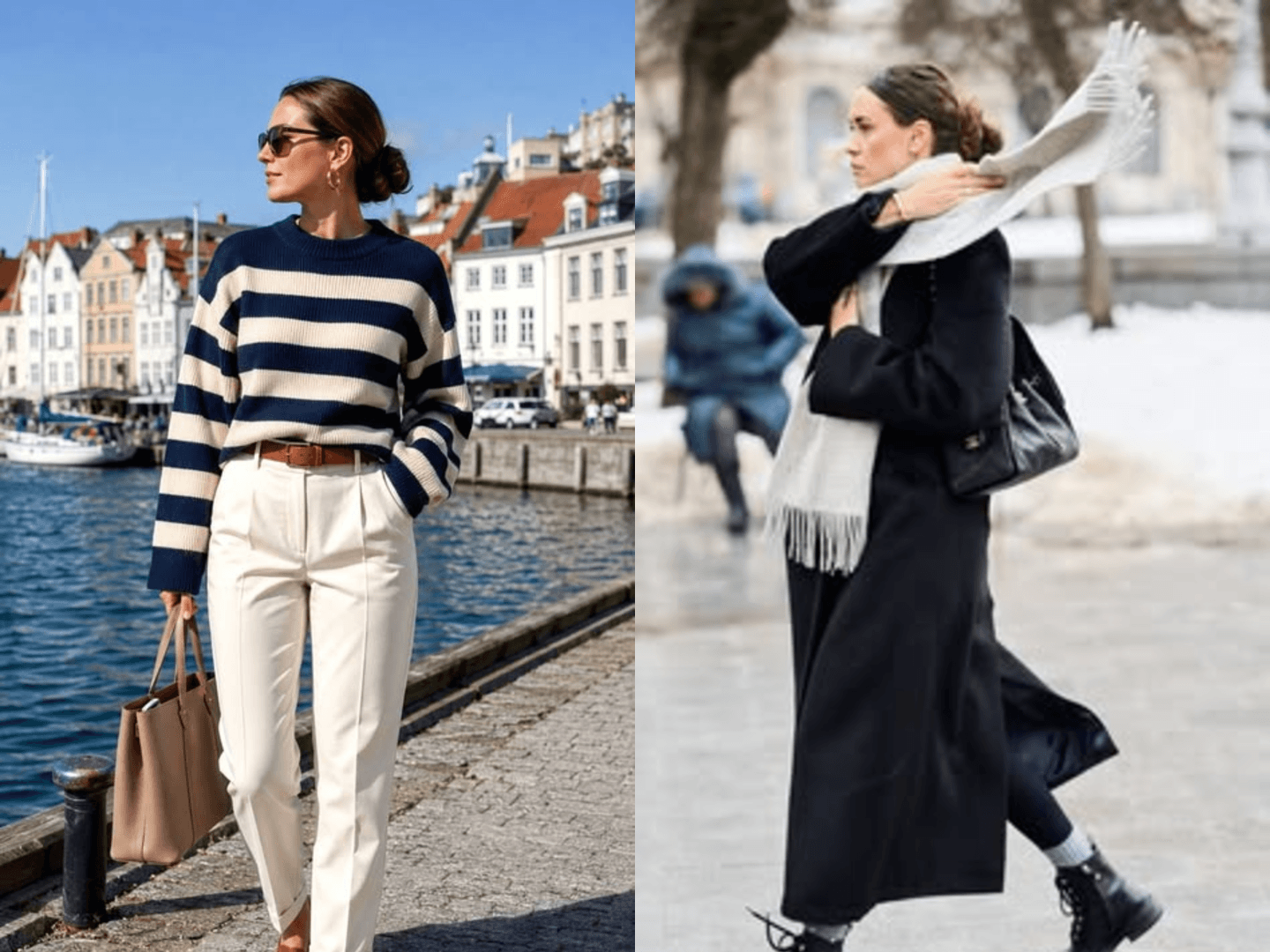
Fashion Tips LWSpeakStyle centers on a simple idea: let your wardrobe speak for who you are instead of chasing every passing trend. The term is understood to derive from “Let Wardrobe Speak Style,” a philosophy that treats clothing as a tool for personal expression rather than a collection of impulse purchases . The approach favors intention, fit, and identity over volume and novelty.
Coco Chanel captured the underlying principle decades ago. In a 1965 interview published in McCall’s magazine, she said, “Mode passes; style remains” . That distinction matters. Fashion changes each season. Style endures. LWSpeakStyle applies that logic to everyday dressing by asking what your clothes communicate before asking what is trending.
Anna Wintour offered a contemporary version of the same idea in a 2024 BBC conversation. She praised women who “always look like themselves,” citing Michelle Obama as an example, regardless of whether the outfit comes from J.Crew, Duro Olowu, or Chanel . Wintour also described her signature sunglasses as “a prop,” a deliberate part of how she presents herself . The point is not the item. It is the consistency of self.
The need for this mindset is practical. Research cited by The Wall Street Journal found that people regularly wear only about 20 percent of what they own . Stylist Ali Call told Bustle that habit drives this pattern. “Human beings are creatures of habit and gravitate toward easy ‘go-to’ pieces,” she said, adding that people choose what is easiest to wear and pair . The rest of the wardrobe becomes background noise.
LWSpeakStyle begins with assessment rather than acquisition. Identify the roles your clothes need to fill: work, weekends, events, rest. Then define a few words for how you want to come across. Calm, sharp, relaxed, creative. Those words become a filter. An item either supports that identity or it does not.Quick Bio: Fashion Tips LWSpeakStyle
| Field | Information |
|---|---|
| Name | LWSpeakStyle |
| Age | Not verified |
| Birthplace | Not verified |
| Nationality | Not verified |
| Profession | Possibly Fashion and Style Content |
| Height | Not applicable / Unknown |
| Education | Not verified |
| Years Active | Not verified |
| Notable Works | Fashion Tips |
| Awards | Not verified |
| Net Worth | Not available |
| Spouse/Partner | Not applicable / Unknown |
| Social Media | Not verified |
The capsule wardrobe offers a useful comparison, but it is not a requirement. A capsule typically consists of 30 to 50 garments designed to mix and match within a limited color palette . LWSpeakStyle is less rigid. The goal is not a specific number. The goal is that every piece has a reason to be there and a way to be worn.
Fit carries more weight than label. A well-tailored basic from an affordable brand will communicate more intention than an ill-fitting designer piece. Hem length, shoulder placement, and waist position determine whether a garment looks considered or accidental. Tailoring is not a luxury. It is the difference between wearing clothes and clothes wearing you.
Color strategy simplifies daily decisions. A cohesive palette does not mean monochrome. It means the pieces you own can speak to each other. Three to five neutrals plus a few accent colors allow a small wardrobe to produce a large number of combinations . The result is fewer decision points each morning and more outfits that feel deliberate.
Layering adds dimension without adding clutter. A shirt under a knit, a jacket over a dress, a scarf that changes the register of an outfit. These moves cost nothing new if the pieces already exist. They also extend a wardrobe across seasons, which matters given that clothing production doubled between 2000 and 2015 while garment use duration fell 36 percent .
Accessories carry disproportionate expressive weight. Wintour’s sunglasses are the obvious example . A belt, a watch, a bag, a pair of shoes can shift an outfit from generic to specific. The test is not whether an accessory is on trend. The test is whether it sounds like you.
Sustainability enters here without preaching. Every year, 92 million tonnes of textile waste are generated globally, equivalent to a garbage truck of clothing landfilled or incinerated every second . Buying with intention and wearing what you own is not a sacrifice. It is a practical response to a system that produces far more than it uses.
Common mistakes undermine the philosophy. Buying trends impulsively creates a wardrobe of orphan pieces. Ignoring fit wastes money on clothes that never feel right. Overloading an outfit obscures the point. Owning duplicates adds volume without range. Each mistake can be corrected by asking one question before a purchase or a morning choice: does this speak for me?
LWSpeakStyle is not about spending more or owning less for its own sake. It is about closing the gap between what hangs in the closet and who you actually are. Start with an audit this week. Pull out what you wear. Set aside what you do not. The wardrobe that remains is the one worth building on.
What exactly is LWSpeakStyle?
Based on available search results, “LWSpeakStyle” is not an established fashion brand or platform. It appears to be a concept derived from “Let Wardrobe Speak Style,” referring to a style philosophy that treats clothing as a tool for personal expression rather than trend-driven consumption. No verifiable sources confirm it as an official entity.
How much of my wardrobe am I actually wearing?
Research cited by The Wall Street Journal and reported by outlets including BBC and Mr Porter indicates that most people regularly wear only about 20 percent of what they own. The rest often sits unused due to poor fit, changing lifestyle needs, or simple habit.
What is the difference between LWSpeakStyle and a capsule wardrobe?
A capsule wardrobe typically involves a defined number of pieces (often cited as 20 to 35 or more) designed to mix and match within a limited palette. LWSpeakStyle shares the intention principle but is less rigid. It focuses on whether each piece communicates your identity, not on hitting a specific garment count.
Does intentional dressing actually help with sustainability?
Yes. Oxfam analysis found that up to 40 percent of clothes produced globally each year are never sold or worn. Buying fewer, better-fitting pieces and wearing what you already own directly reduces the volume of clothing that ends up as waste. The Rule of Five campaign, started by sustainability strategist Tiffanie Darke, encourages buying just five new items per year.
