
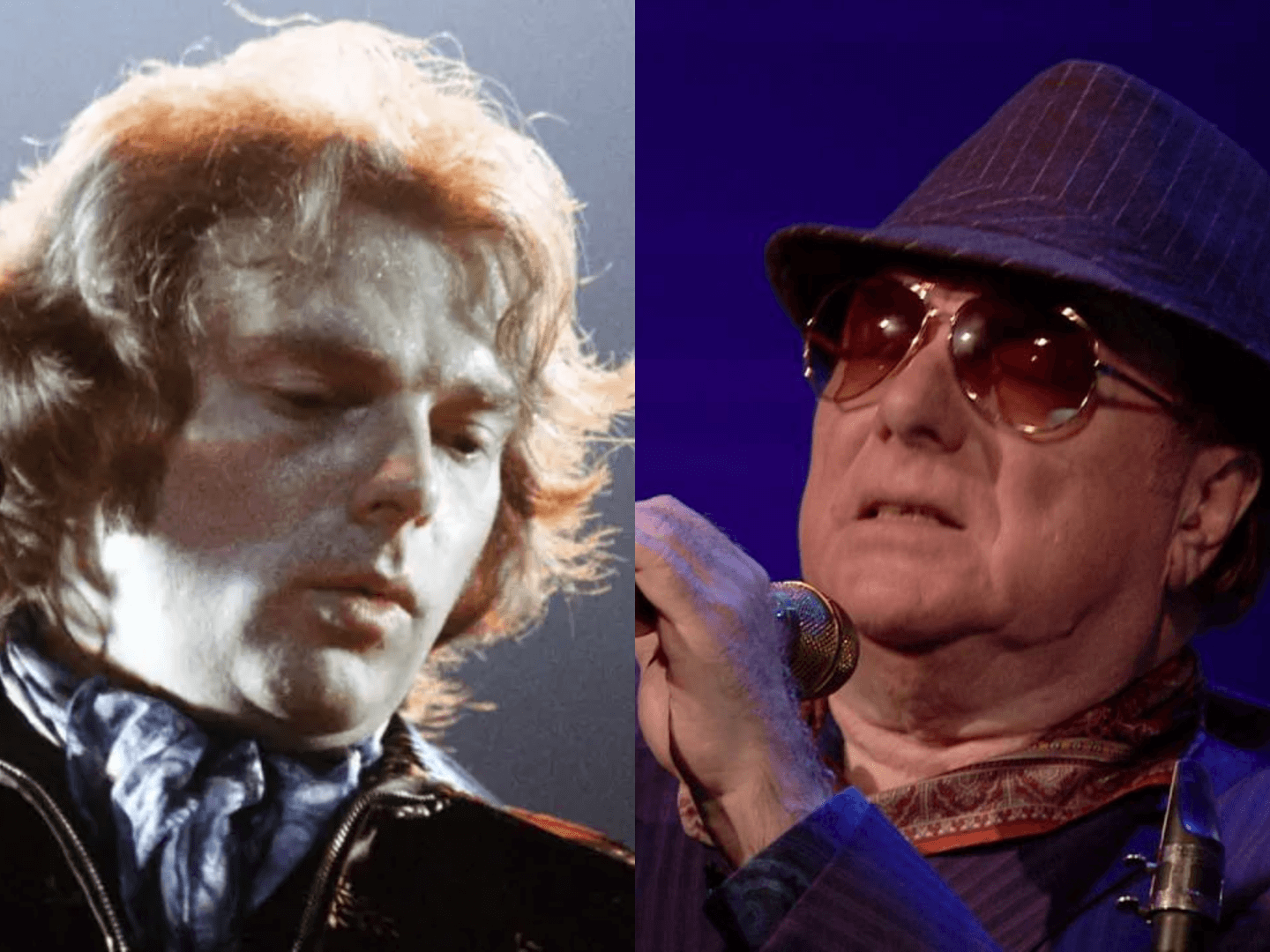
Van Morrison Brown Eyed Girl was recorded on March 28, 1967, at A&R Studios in New York City and released that June on Bang Records. It became Morrison’s first solo hit, peaking at No. 10 on the Billboard Hot 100, yet the singer has called it a “throwaway song” he has never fully embraced.
Recording and Release
The song emerged from sessions produced by Bert Berns, the American record executive who had previously worked with Morrison’s band Them on “Here Comes the Night”. Berns paid for Morrison to travel to New York in early 1967 for solo recordings after Them’s breakup. The session featured backing vocals from Cissy Houston, Dee Dee Warwick, and Myrna Smith of The Sweet Inspirations. It took 22 takes to complete, with engineer Brooks Arthur recalling that Morrison broke down in tears in the vocal booth afterward.
Chart Performance and Commercial Success
“Brown Eyed Girl” was released as a single in June 1967 on Bang Records and entered the Billboard chart at No. 10 on July 22, 1967. It became Morrison’s first solo hit and his second-highest-charting song on the Hot 100. In the UK, the song later reached No. 60 on the Official Singles Chart in 2013 and peaked at No. 59 on the Official Singles Downloads chart. As of recent years, it has accumulated over 1.5 billion Spotify streams.
The Original Title and Bert Berns’s Influence
The song was originally titled “Brown-Skinned Girl”, a nod to the calypso sound that inspired Morrison while composing it. According to Rhino Records, the title change occurred later, though the exact circumstances remain unclear. Berns, who owned Bang Records, recognized the song’s commercial potential immediately and rush-released it in America. The contract Morrison signed with Bang would later become a source of deep frustration.Quick Bio: Van Morrison
Censorship and Radio Edits
Many radio stations in 1967 found the lyric “making love in the green grass” too suggestive for broadcast. Bang Records prepared a second version replacing that line with “laughin’ and a-runnin’, hey hey”, which was taken from an earlier verse in the song. This censored version appeared on some reissues, including Mercury Records’ “The Best of Van Morrison” compilation, which drew complaints from fans expecting the original. The original version remains the widely familiar recording today.
Morrison’s Ambivalence Toward the Song
Morrison has consistently expressed discomfort with “Brown Eyed Girl” throughout his career. In a 2009 interview with Time magazine, he stated, “I didn’t perform it for a long time because for me it was like a throwaway song. I’ve got about 300 other songs I think are better than that”. He explained further: “No, I didn’t think it would still be played” when asked if he expected the song’s radio longevity.
In a 2024 interview with The Sun, Morrison elaborated on why the song no longer resonates with him. He said, “How can a 79-year-old guy sing about something he wrote when he was 20? It’s basically a teenage song. I can’t relate to it much now, you know?”. This perspective explains why he avoided performing it live for many years.
The Royalties Dispute
Due to the contract Morrison signed with Bang Records, he never received royalties for writing or recording “Brown Eyed Girl”. The agreement stipulated that Morrison covered all recording costs, and he did not receive ownership of the masters. Berns also released the tracks as the album Blowin’ Your Mind! in September 1967 without Morrison’s knowledge or consent. The financial impact has been significant given the song’s enduring popularity, with one BBC report noting it had been played 10 million times on US radio alone.
Legacy and Cultural Impact
Despite Morrison’s personal feelings, “Brown Eyed Girl” has achieved remarkable longevity. The Grammy Hall of Fame inducted the recording in 2007, recognizing its historical significance. The song has been featured in films including Sleeping With the Enemy, and artists such as Kelly Clarkson have covered it on national television. Its “sha-la-la” refrain was later borrowed by Counting Crows for “Mr. Jones”. The song also inspired numerous people to claim they were the titular brown-eyed girl, though BBC contributor Stuart Bailie noted that some claimants “don’t even have brown eyes”.
The song occupies an unusual position in popular music: a recording that defined an era while remaining a source of frustration for its creator. It gave Morrison a career and a permanent place in American radio, yet the artist himself has spent decades distancing himself from it. That tension between public affection and private ambivalence remains central to the song’s complicated legacy.
Q: When was “Brown Eyed Girl” released and how did it perform on the charts?
Van Morrison recorded “Brown Eyed Girl” on March 28, 1967, and Bang Records released it as a single that June. It became Morrison’s first solo hit after leaving Them, peaking at No. 10 on the Billboard Hot 100 in the United States.
Q: Why did Van Morrison never receive royalties for “Brown Eyed Girl”?
The contract Morrison signed with Bang Records stipulated that he covered all recording costs and did not receive ownership of the masters. As a result, he never received royalty money for either writing or recording the song, despite its massive commercial success.
Q: What was the original title of “Brown Eyed Girl” and why was it changed?
The song was originally titled “Brown-Skinned Girl”, a nod to the calypso sound that inspired Morrison while composing it. According to some sources, the title and wording were changed by Bang Records, with Morrison later claiming the shift to “Brown Eyed Girl” happened accidentally when he wrote the new title on the tape box.
Q: How does Van Morrison feel about “Brown Eyed Girl” today?
Morrison has consistently distanced himself from the song, calling it a “throwaway song” in a 2009 interview with Time magazine. In a 2024 interview with The Sun, he explained that as a 79-year-old, he cannot relate to a song he wrote as a teenager, describing it as “basically a teenage song”.
Q: What major recognition has “Brown Eyed Girl” received?
The song was inducted into the Grammy Hall of Fame in 2007, recognizing its historical significance. It was also included in the Rock and Roll Hall of Fame’s selection of “500 Songs That Shaped Rock and Roll”.
